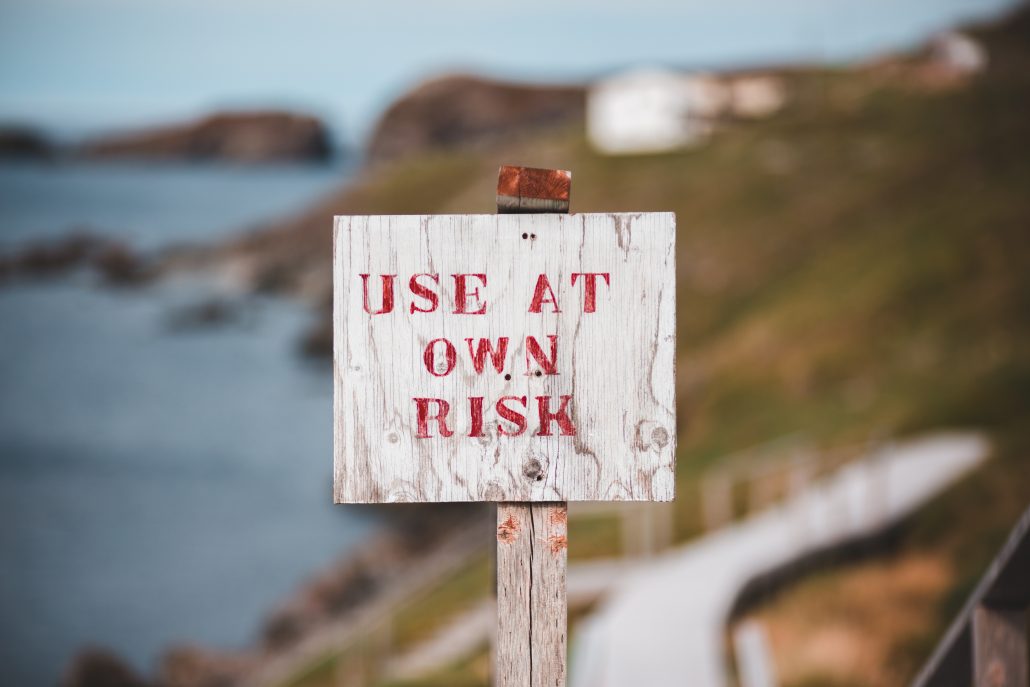
CBD, in its purest form (CBD isolate), is a completely safe medicine to use, under the proper dosage. CBD isolate is quite literally CBD isolated from all other parts of the cannabis plant. This process creates non-dangerous products, guaranteeing a pure, THC-free product. And, many countries deem it as legal. The danger, however, comes when companies decide that they value quantity over quality. Most countries create laws that state that CBD becomes illegal once a certain percentage of THC is found within a product. Commonly, no more than 0.3% of THC is allowed within any given CBD product, but certain countries have far stricter regulations. The Chemical Make-up Cannabis has over 100 cannabinoids that can interact with and consequently affect the human mind and nervous system. The two substances most well-known are tetrahydrocannabinol (THC) and cannabidiol (CBD). And, to name a few more: THCV, CBDV, CBG, CBC, and CBN. The danger of CBD rests on how the user decides to use it. Anyone can have too much of anything–even water! Water intoxication is a real thing, and drinking more than a body can handle can lead to a pressure buildup within the skull. That can then lead to coma and death. If you take too much CBD, the body will not know what to do with the excess and the help that the medicine is meant to provide suddenly turns against the body. That is one of the many reasons why it is essential to start at the lowest dosage. And, when possible, remain at the lowest dosage needed. Furthermore, drug tolerance is very important to understand, no matter which drug a person may be taking. Does CBD Have Dangerous Side Effects? Side effects are always a concern, no matter the type of medication. CBD, in that regard, is no different. However, since CBD does not interact with the nervous system in the same way THC does, CBD’s effects are far tamer than what may be assumed. ♦ Interested in high-quality edibles and merchandise? Check out the FGE shop and FGE Etsy Store ♦ According to the CDC, CBD in high dosages begins to lose its medicinal power. CBD may also cause drowsiness, liver damage (in extreme cases), changes in mood, changes in appetite, and interference with certain drugs that someone is already taking. Moreover, CBD, like most drugs that influence a person’s mental state, is not recommended for those pregnant. It is not yet known how CBD affects the developing minds of children and the CDC recommends CBD products remain out of the reach of children. Where Can I Find Safe CBD? Most companies offer edibles and products with “CBD oil” or “hemp oil,” but Feel Good Edibles edibles are different. FGE sells CBD products exclusively using CBD isolate. As stated prior, CBD isolate is the literal isolation of cannabidiol from the rest of the cannabis plant and its cannabinoids. This helps FGE guarantee a THC-free product every single time, evidenced by lab-tested-and-proven reports. FGE is trusted by many buyers, and guarantees genuine lab-results of all products. The information provided within this blog is intended for general informational purposes only and should not be construed as professional advice. We cannot guarantee the accuracy, completeness, or timeliness of the content presented here. Any actions or decisions you make based on this information are at your own risk. We advise consulting with qualified professionals if you require personalized advice. The opinions expressed here do not necessarily represent the views of all contributors or the organization behind the blog. We are not responsible for any errors or omissions, nor for any damages resulting from your use of this blog. By using this blog, you agree to these terms.
In the United States, cannabis is a Schedule I drug, meaning that it holds no (legal) medical purpose. This causes THC, a psychoactive cannabinoid of cannabis, to be in the same boat. Cannabis is commonly smoked or eaten for recreational means, and typically not from a medical doctor’s advice. CBD, on the other hand, is non-psychoactive. That means it doesn’t impair its user, and may, in very specific scenarios, be used as a “therapeutic” drug. Below are just a few of the many differences between THC and CBD. 1. You can be prescribed CBD The FDA, as of today’s date, seems to have officially approved three cannabis-derived drugs. All of the drugs are prescribed by a licensed doctor only. Epidiolex Epidiolex is a CBD cannabidiol-derived medicine that treats rare seizure disorders among those one-year-old and up. These seizures can be life-threatening and devastating, affecting young children, toddlers, and adults alike. Marinol Marinol is the brand name for dronabinol, a synthetic THC cannabinoid used to treat nausea and vomiting caused by cancer chemotherapy. Moreover, It can also act as an appetite stimulant and weight gain agent for those suffering from an HIV infection. Syndros Syndros is very similar to Marinol, except that it is taken in a liquid form instead of a tablet form. 2. You can’t drive under the influence of THC When taking THC, the cognitive function of the human body is interrupted. That means, just like with alcohol, driving “under the influence” can lead to misjudgment and a total lack of control on the driver’s part. Cannabis has varying effects depending on the person taking it and can cause “acute psychosis” which can lead to paranoia, hallucinations, and delusions. Cannabis is, in fact, one of the strongest drugs due to its different effects on different people. Perhaps, that is one of the reasons why it is such a feared and revered drug among the many countries of the world. 3. You can find CBD readily available online and in stores Depending on your state or country’s cannabis laws, CBD is joining more and more shelves in supplement stores and pharmacies. Why? Well, it’s because CBD is a non-psychoactive drug and not, consequently, considered to be a narcotic. Narcotics are commonly considered to be one of the scariest classes of drugs as they can numb the nervous system to the point of paralysis. Although paralysis is a long stretch from having a bit of THC, that is one of the reasons why cannabis is considered to be a schedule-I drug… for now. 4. THC may cause you to have more side effects Drugs of all (legal) types can help a person on their way to recovery… if the side effects aren’t bad enough to harm them. Drugs have been known to cause common side effects such as nausea, headache, dry throat, and drowsiness. But, they can be extreme enough to cause major organ damage, fainting spells, anxiety, and depression. ♦ Interested in high-quality CBD edibles and merchandise? Check out the FGE shop and FGE Etsy Store ♦ One reason why CBD is preferred by more people is its simple healing and calming properties. Those people are after what the drug offers to help, instead of the “experience” that THC offers. THC seems to, however, treat more severe cases of seizures and ailments that CBD isn’t quite strong enough for. 5. Your pets can enjoy Pet-Friendly CBD THC, in most animals, is a toxic substance that must not be ingested. Unlike humans, pets have more cannabinoid receptors in their brains (and they are smaller animals), which consequently makes intoxication and overdose far easier in dogs and cats. That sensitiveness is no job either, as too much THC will quite literally kill your best friend. CBD, on the other hand, can help our pets with arthritis, general anxiety, and pain. With the recommended veterinarian brand and appropriate dose, you and your pet may just feel better in no time!